
 ★ 7.2
Desi Tashan: Indian TV and Pakistan TV, channel by channel
The old Desi Tashan opened with two menus side by side, Indian TV and Pakistan TV, and under each channel a list of serials you could open as running or finished. This guide keeps both menus. Its 154 serials sit on ten channel shelves: Doordarshan classics, Star Plus, Zee TV, Sony and SAB, Colors and the kids channels for India; PTV, Hum TV, ARY Digital and Geo TV for Pakistan. Each serial has an English synopsis, cast, its episode list and a Watch now button that finds where to watch it legally.
Show Serials by channel
DoordarshanDoordarshan classics
Show all serials (18)★ 7.2 ★ 8.3
 ★ 7.9
 ★ 8.8
 ★ 7.7
 ★ 7.0
 ★ 9.4
 ★ 9.0
 ★ 7.2
 ★ 8.5
 ★ 8.4
 ★ 8.0
Star PlusStar Plus and Star channels
Show all serials (20) ★ 7.8
 ★ 7.0
 ★ 6.0
 ★ 6.3
 ★ 8.0
 ★ 5.1
 ★ 5.4
 ★ 4.4
 ★ 2.2
 ★ 2.5
 ★ 3.8
 ★ 2.3
Zee TVZee TV and &TV
Show all serials (15) ★ 7.7
 ★ 9.2
 ★ 5.5
 ★ 4.0
 ★ 4.5
 ★ 3.5
 ★ 8.0
 ★ 6.0
 ★ 6.0
 ★ 5.5
 ★ 5.0
 ★ 6.0
Sony and SABSony and SAB
Show all serials (20) ★ 8.5
 ★ 9.7
 ★ 7.3
 ★ 7.0
 ★ 5.0
 ★ 8.0
 ★ 2.5
 ★ 9.0
 ★ 9.0
 ★ 10.0
 ★ 8.0
 ★ 7.0
ColorsColors
Show all serials (12) ★ 7.6
 ★ 7.2
 ★ 9.5
 ★ 7.5
 ★ 9.0
 ★ 8.0
 ★ 10.0
 ★ 10.0
 ★ 7.0
 ★ 7.0
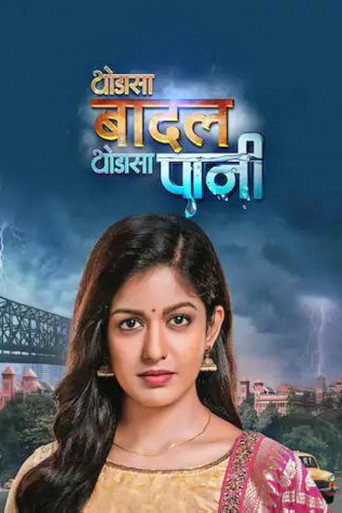 ★ 5.0
 ★ 8.0
KidsKids channels
Show all serials (10)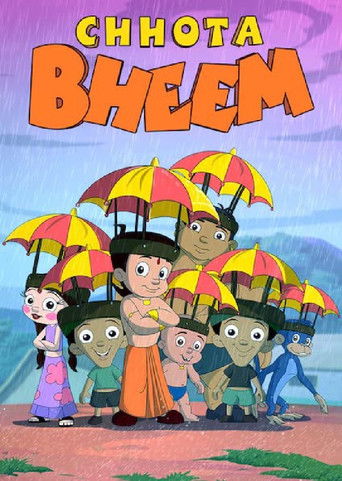 ★ 6.4
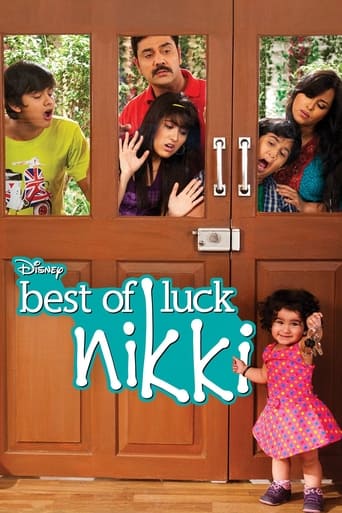 ★ 6.5
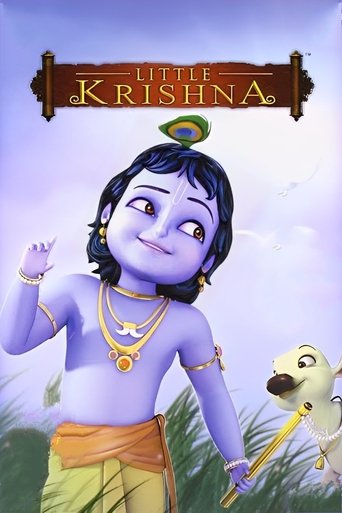 ★ 5.7
 ★ 7.3
 ★ 7.0
 ★ 4.5
 ★ 9.0
 ★ 2.0
 ★ 7.0
 ★ 5.0
PTVPTV
Show all serials (11) ★ 7.8
 ★ 8.3
 ★ 5.5
 ★ 9.5
 ★ 9.5
 ★ 10.0
 ★ 10.0
 ★ 10.0
 ★ 10.0
 ★ 10.0
 ★ 10.0
Hum TVHum TV
Show all serials (18) ★ 8.7
 ★ 8.0
 ★ 7.9
 ★ 8.7
 ★ 8.8
 ★ 8.6
 ★ 8.0
 ★ 9.8
 ★ 8.8
 ★ 9.5
 ★ 6.2
 ★ 9.0
ARY DigitalARY Digital
Show all serials (16) ★ 8.6
 ★ 6.8
 ★ 7.4
 ★ 8.8
 ★ 7.6
 ★ 8.3
 ★ 10.0
 ★ 5.7
 ★ 9.5
 ★ 7.5
 ★ 9.0
 ★ 7.5
Geo TVGeo TV
Show all serials (14) ★ 8.0
 ★ 8.4
 ★ 6.5
 ★ 4.5
 ★ 8.0
 ★ 7.5
 ★ 1.5
 ★ 10.0
 ★ 8.0
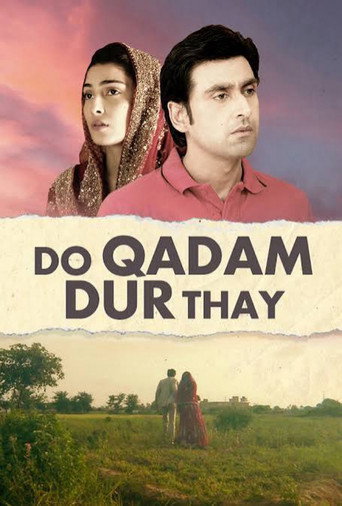 ★ 8.0
 ★ 9.0
 ★ 6.0
The Desi Tashan guide
Desi Tashan: Indian TV and Pakistan TV, channel by channel
Two menus, one guide
The old Desi Tashan, as the Wayback Machine kept it in January 2014, was a white, clean WordPress site with a busy menu: Indian TV, Pakistan TV, Kids, Regional TV, Awards, Indian Videos, Pak Videos and Contact Us. Under each channel sat two switches, Show Finished Serials and Show Running Serials, and a long list of titles, from Pavitra Rishta and Qubool Hai to Jodha Akbar and Diya Aur Baati Hum. The site put the serials of India and Pakistan side by side.
This guide keeps both halves. Desi Tashan gathers 154 serials from TMDB, the community film and TV database: 95 Hindi serials from Indian channels and 59 Pakistani dramas. They sit on ten channel shelves. For India: Doordarshan classics, Star Plus and the Star channels, Zee TV and &TV, Sony and SAB, Colors, and the kids channels. For Pakistan: PTV, Hum TV, ARY Digital and Geo TV. The board on the home page, Show Serials by channel, shows all ten as grey channel headers with a coloured badge, green for Indian TV, blue for Pakistan TV and purple for Kids, after the format badges of the old site.
Each poster carries its channel and its year, and every serial page has an English synopsis, the main cast, the list of episodes TMDB records and a Watch now button that opens JustWatch for your country, where the legal services for that serial are listed.
How the shelves are filled
Desi Tashan starts from scripted TV serials on TMDB with an English synopsis, a poster and at least one vote. Hindi serials from Indian channels may run up to 200 episodes; Pakistani dramas up to 60. Within that range, the guide keeps serials of a length a viewer can follow from the first episode, in the spirit of the old Show Finished Serials switch.
Each serial goes to the first channel, in a fixed order, that TMDB lists among its networks. For Indian serials the order is kids channels, Doordarshan, the Star channels, Zee TV and &TV, Sony and SAB, then Colors; for Pakistani dramas it is PTV, Hum TV, ARY Digital, then Geo TV. Within a shelf, serials are taken in order of votes, most voted first, up to twenty for the large Indian shelves and up to eighteen for Hum TV.
Talk shows, comedy shows, documentaries and a few daily soaps whose episode lists TMDB records only in part were left out by hand, and so were serials built around sexual violence, child marriage or child abuse. A daily soap listed with only a handful of its episodes would mislead more than it would help.
Desi Tashan in figures
The 154 serials hold 11,284 episodes on TMDB. The 95 Indian serials hold 9,510 of them, an average of 100.1 episodes and a middle value of 94; forty-three Indian serials run a hundred episodes or more. The 59 Pakistani dramas hold 1,774 episodes, an average of 30.1 and a middle value of 30, and every one of them stays under a hundred. In one line: an Indian serial on Desi Tashan is about three times as long as a Pakistani drama.
The Indian serials span 1984 to 2024: ten come from the 1980s, eight from the 1990s, twelve from the 2000s, forty-three from the 2010s and twenty-two from the 2020s. The Pakistani dramas span 1965 to 2026. TMDB marks 117 of the 154 serials as ended.
Ratings and votes
The 154 serials hold 832 votes on TMDB: 630 for the Indian serials and 202 for the Pakistani dramas. The Indian serials average 6.87 and the Pakistani dramas 8.28, but the Pakistani average rests on far fewer votes per drama, and thirty-seven serials of the whole guide rest on a single vote. Read every rating next to its votes.
The most voted serial on Desi Tashan is Titlie of 2023, a Star Plus serial with 88 votes and 7.8. Then come Sarabhai vs Sarabhai and Pyaar Ka Pehla Adhyaya - Shiv Shakti, with 57 votes each, Mahabharat with 42, Ramayan with 35 and the Pakistani Zindagi Gulzar Hai with 16. The Rated 7.5 or more list gathers the sixty-eight serials with at least two votes and a rating of 7.5 or more.
Doordarshan classics
Doordarshan is India's public broadcaster, and its shelf on Desi Tashan holds eighteen serials from 1984 to 1997. They are the most loved shelf of the guide on TMDB: all eighteen reach 7.0 or more, with an average of 8.33 and 182 votes. The middle Doordarshan serial runs 53.5 episodes, far shorter than the Star or Colors serials that followed.
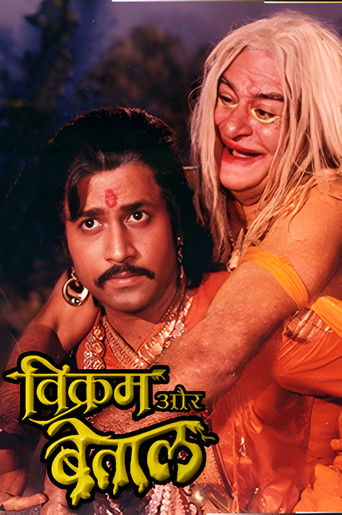
The two great epics lead. Mahabharat of 1988, created by B.R. Chopra, holds 42 votes and 7.2 over ninety-four episodes: the struggle for the throne of Hastinapur between the Kauravas and the Pandavas, with Nitish Bharadwaj and Mukesh Khanna. Ramayan of 1987, created, written and directed by Ramanand Sagar, holds 35 votes and 8.3 over seventy-nine episodes, with Arun Govil and Deepika Chikhalia. Ramanand Sagar also made Vikram Aur Betaal of 1985, a children's series of stories from Indian mythology with Arun Govil, at 8.5.
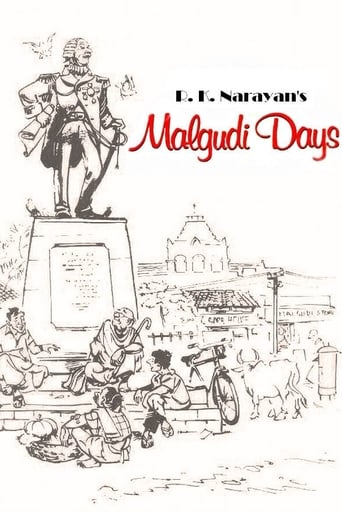
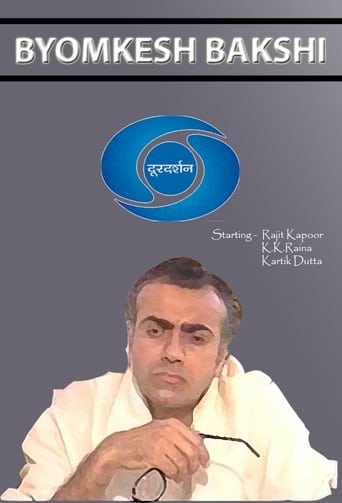
Malgudi Days of 1987, directed by Shankar Nag, brings the stories of R. K. Narayan to life in the fictional South Indian town of Malgudi, over four seasons and fifty-four episodes, at 7.9 from nineteen votes. Byomkesh Bakshi of 1993, directed by Basu Chatterjee, with Rajit Kapoor as the detective from Kolkata, holds 8.8 from fourteen votes. The Discovery of India of 1988, Shyam Benegal's Bharat Ek Khoj, based on the book by Jawaharlal Nehru, holds 9.4 from seven, and Chanakya of 1991, by Dr. Chandraprakash Dwivedi, 9.0 from seven.
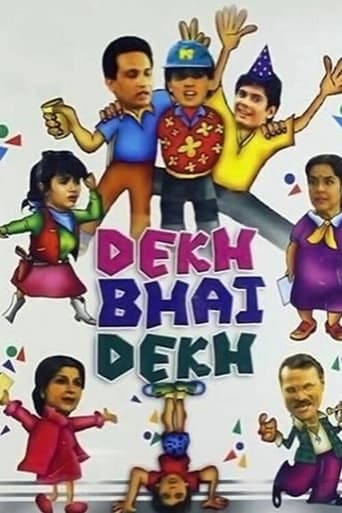
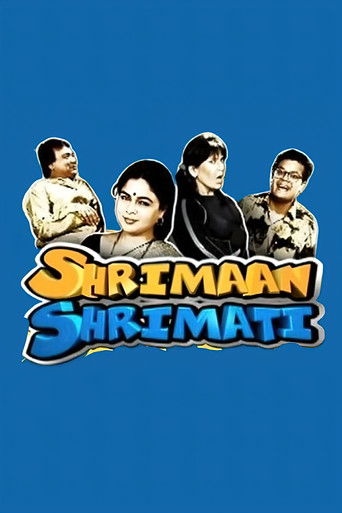
The shelf is also the home of the Indian sitcom. Yeh Jo Hai Zindagi, listed on TMDB as Such is Life, began in 1984 and was written by Sharad Joshi; Flop Show of 1989 was written and directed by the satirist Jaspal Bhatti; Wagle Ki Duniya of 1988, credited to R.K. Laxman, stars Aanjjan Srivastav and Bharati Achrekar; Dekh Bhai Dekh of 1993, Shrimaan Shrimati of 1994, Tu Tu Main Main of 1994 and Zabaan Sambhalke of 1993, listed as Watch Your Tongue, with Pankaj Kapur as a reluctant Hindi teacher, follow.
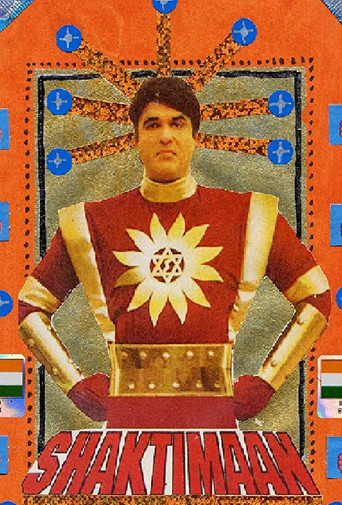
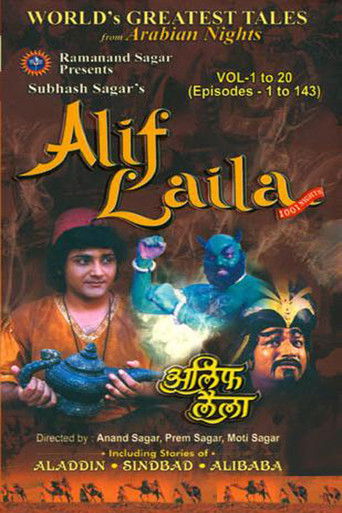
Fauji of 1989, about a batch of trainees in a commando school, has Shah Rukh Khan in its cast. Tamas of 1988, directed by Govind Nihalani from the novel by Bhisham Sahni, is set in riot-stricken North India on the eve of Partition, in six episodes. Shaktimaan of 1997, with Mukesh Khanna as the superhero, and Tu Tu Main Main are the longest serials of the shelf, with 169 episodes each, ahead of Shrimaan Shrimati with 144 and Alif Laila of 1993, stories from the Arabian Nights by Sagar Films, with 143.
Star Plus and the Star channels
The Star shelf holds twenty serials from 2002 to 2024, from Star Plus, Star One and Star Bharat, with 259 votes, the most of any shelf on Desi Tashan. Its middle serial runs 136 episodes, the longest of all the shelves. Ratings spread wide, from 10.0 to 1.7, and six serials reach 7.0 or more.
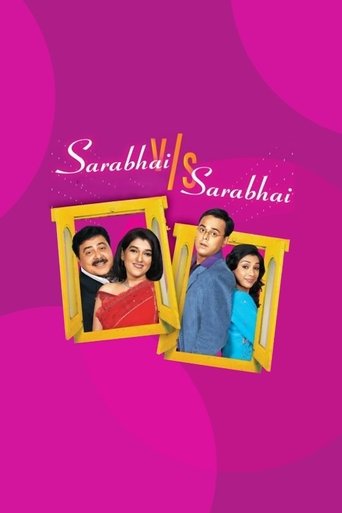
The most voted is Titlie of 2023, with 88 votes and 7.8: Titlie, played by Neha Solanki, believes in fairy-tale love and marries Garv, but the romance turns abusive and she has to fight for herself over 117 episodes. Sarabhai vs Sarabhai of 2004, created by Aatish Kapadia, follows with 57 votes and 7.0: the comedy of an upper-class Gujarati family in South Mumbai and a daughter-in-law from a middle-class home, with Ratna Pathak Shah and Rupali Ganguly. Aatish Kapadia also created Khichdi of 2002, a family comedy about an angry old man and his eccentric household, over three seasons and 155 episodes.
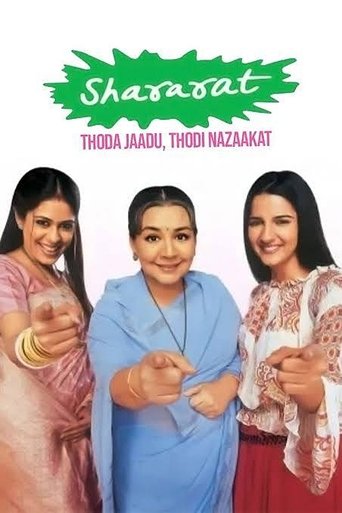
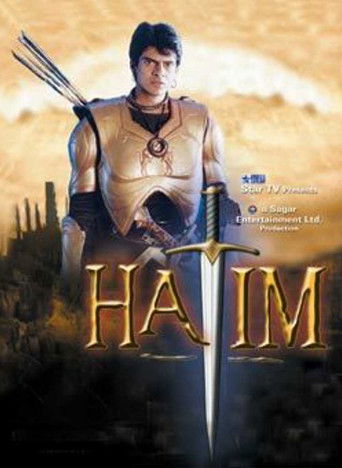
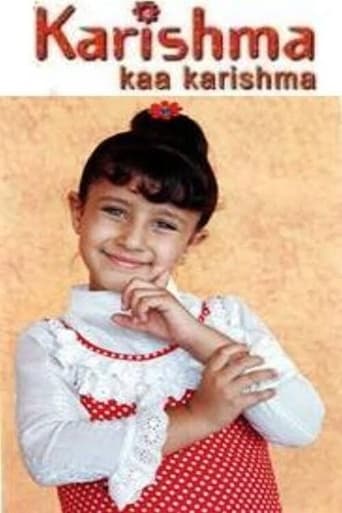
The fantasy serials of the early 2000s are a strong group here. Hatim of 2003, with Rahil Azam, holds 8.0 from fourteen votes over forty-eight episodes. Shararat - Thoda Jaadu, Thodi Nazaakat of 2003, about a family whose grandmother and her daughters have magical powers, runs 192 episodes. Karishma Kaa Karishma of 2003 is an Indian remake of the American sitcom Small Wonder, and Karma of 2004, by Ekta Kapoor, a weekly superhero drama with twenty-six episodes on TMDB. Vikraal Aur Gabraal of 2003 follows a ghost hunter and his pupil.
The newer serials lean towards romance and mystery. Pardes Mein Hai Mera Dil of 2016, with Drashti Dhami and Arjun Bijlani, sets a love story in a foreign land, at 7.7. Yehh Jadu Hai Jinn Ka! of 2019 holds 9.7 from three votes over two seasons. Kaal Bhairav Rahasya of 2017, a mystery thriller of Star Bharat shot in Bhopal, holds 10.0 from two. Karn Sangini of 2018 retells the story of Karna through his wife Uruvi, from the book Karna's Wife.
Zee TV and &TV
The Zee shelf holds fifteen serials from 2012 to 2023, with 87 votes; its middle serial runs 94 episodes. Three reach 7.0 or more.
The most voted is Pyaar Ka Pehla Adhyaya - Shiv Shakti of 2023, with 57 votes and 7.7: Shiv, a doctor whose personal life is in tatters, meets Shakti, an orphan who cares for everyone, played by Arjun Bijlani and Nikki Sharma. Buddha of 2013, a mythological serial about how the prince Siddhartha became the Buddha, holds 9.2 from four votes over fifty-five episodes. Young Dreams of 2012 follows two teenage girls, Gunjan in Mumbai and Rachna, over 122 episodes.
Zee also brings history and the supernatural. Razia Sultan of 2015 tells the story of the daughter of Sultan Iltutmish who was crowned ruler of Delhi. Witch of 2018, by Ekta Kapoor, and Brahmarakshas of 2016, also by Ekta Kapoor, are horror serials; Darr Sabko Lagta Hai of 2015, created by Raj Nidimoru, is an anthology of the paranormal. Agent Raghav of 2015 follows a detective who reads people's minds. Kaleerein of 2018, at 198 episodes the longest of the shelf, follows Meera, a free-spirited girl in search of a husband who will accept her as she is, at 8.0.
Sony and SAB
The Sony shelf holds twenty serials from 2001 to 2024, from Sony Entertainment Television, Sony SAB and Sony Pal, with 35 votes. Its middle serial runs 119.5 episodes, and seventeen of the twenty reach 7.0 or more.
The most voted is Office Office of 2001, a SAB TV sitcom with eight votes and 8.5: Pankaj Kapur plays Mussaddi Lal, a common man lost among government offices and their clerks, with Sanjay Mishra beside him. TMDB lists two seasons of its satire. Powder of 2010, with Pankaj Tripathi, follows a team of the Narcotics Control Bureau after a drug lord, at 7.3 over twenty-six episodes.
Dil Hi Toh Hai of 2018, by Ekta Kapoor, holds 9.7 from three votes over three seasons: the story of the Noon family and its eldest son Rithwik. Yudh of 2014, with Amitabh Bachchan as a hard-driving businessman with a secret, runs twenty episodes. Prithvi Vallabh of 2018 is a historical tale of two warring states, at 8.0, and Tenali Rama of 2024 brings its witty hero back to Vijayanagar over 187 episodes.
Comedy has its place too. Sab Satrangi of 2022 follows Mannu, a young man who believes that good comes to those who do good, and Saat Pheron Ki Hera Pherie of 2018 two married couples who wonder whether a happy marriage exists. Rishta.com of 2010, with Shruti Seth, is about two very different people who run a matrimonial agency together.
Colors
The Colors shelf holds twelve serials from 2012 to 2023, with 29 votes; eleven of the twelve reach 7.0 or more. Its middle serial runs 134 episodes.
The most voted is 24: India of 2013, an Indian version of the American thriller 24 created by Robert Cochran, with eight votes and 7.6 over two seasons: an ATU agent, Jai Singh Rathod, has twenty-four hours in Mumbai to stop the assassination of the youngest prime minister. Bepannah of 2018, with Jennifer Winget and Harshad Chopda, follows Aditya, a pilot in Mumbai, and Zoya in Mussoorie, each devoted to a spouse, whose lives cross, at 7.2 from six votes.
Mythology is strong on Colors: Mahakaali - Anth Hi Aarambh Hai of 2017 tells of Parvati and her fiercest avatar, at 9.5 from four votes, and Shiv Shakti - Tap Tyaag Tandav of 2023 the love of Shiva and Parvati over 192 episodes, both from Siddharth Kumar Tewary. Bahu Begum of 2019 follows Azaan, Shayra and Noor, at 9.0. Belan Wali Bahu of 2018 is a comedy about a clumsy daughter-in-law in a joint family of misfits, and Suraj: The Rising Star of 2012 an animated series about a boy from Mumbai's slums who dreams of cricket.
The kids channels
The Kids shelf holds ten serials from 2008 to 2018 from channels such as Pogo, Sony YAY! and Disney Channel, with 38 votes. Its middle serial runs 35.5 episodes. On the board it carries the purple badge, after the video badge of the old site.
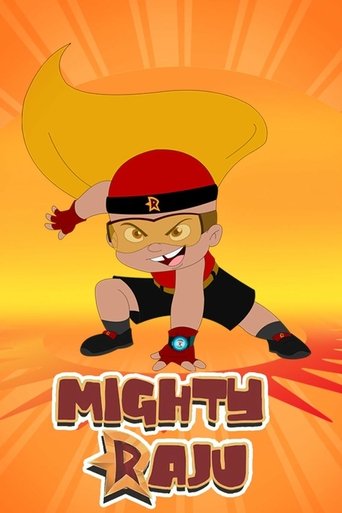
The most voted is Little Bheem of 2008, from Green Gold Animation and Rajiv Chilaka, with sixteen votes and 6.4: the adventures of Chhota Bheem and his friends in the village of Dholakpur, over three seasons and eighty-one episodes. Rajiv Chilaka also made Mighty Raju of 2015, about a four-year-old with superhuman strength. Little Krishna of 2009 shows the young Krishna defending Vrindavan from the demons of King Kamsa, and Bandbudh Aur Budbak of 2015 follows two ten-year-old pranksters over 153 episodes, at 7.3.
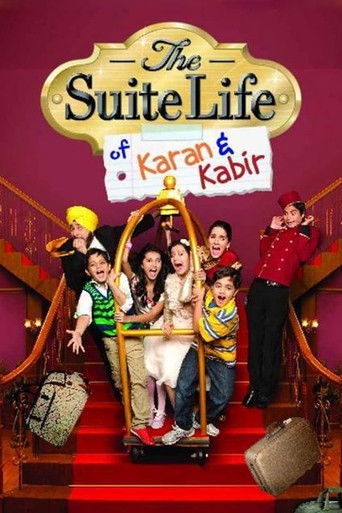
Disney Channel brings two live-action comedies: Best of Luck Nikki of 2011, an Indian version of Good Luck Charlie, with four seasons and 103 episodes, at 6.5; and The Suite Life of Karan & Kabir of 2012, about two mischievous brothers at the Raj Mahal hotel, created by Danny Kallis. Oye Jassie of 2013, with Tara Sutaria, follows a small-town girl who becomes a nanny, and Honey Bunny Ka Jholmaal of 2018 the four pets of a cosy home.
The Pakistan TV menu
The second half of the old menu, Pakistan TV, becomes four shelves on Desi Tashan: PTV, Hum TV, ARY Digital and Geo TV. Together they hold 59 dramas, from Alif Noon of 1965 to two serials of 2026, with 1,774 episodes and 202 votes. On the board they carry the blue badge. Each Pakistani shelf keeps its most voted dramas, so these four shelves are a short list of the best known Pakistani serials on TMDB.
PTV
The PTV shelf holds eleven dramas from 1965 to 2012, eight of them produced by PTV Productions, with a middle length of seventeen episodes, the shortest of any shelf on Desi Tashan. It is the Pakistani twin of the Doordarshan shelf: a state broadcaster, nine of its eleven dramas from the 1980s and 1990s, and a mix of sitcoms, family stories and adventure.
Alpha Bravo Charlie of 1998, Shoaib Mansoor's story of three friends in the Pakistan Army, is the most voted with four votes and 7.8. Ainak Wala Jin of 1993, a fantasy for children about a genie with poor eyesight who comes to earth, runs fifty-eight episodes, the longest of the shelf, and holds 8.3. Dhoop Kinare of 1987, set among the doctors of a Karachi hospital, and Teen Bata Teen of 1995, a sitcom with Faisal Qureshi and Adeel Hashmi, hold 9.5 from two votes each. Ankahi of 1982 and Aangan Terha of 1985, both with Shakeel Yousuf, are two of the four PTV dramas from before 1990; Alif Noon of 1965 is the oldest serial on the whole site.
Seen next to Doordarshan, the PTV shelf tells a story of parallel lives: Fauji and Alpha Bravo Charlie, a decade apart, both follow young men into the army; Vikram Aur Betaal and Ainak Wala Jin both bring folk tales and magic to children; Yeh Jo Hai Zindagi and Teen Bata Teen are both sitcoms, of 1984 and 1995.
Hum TV
The Hum TV shelf holds eighteen dramas from 2011 to 2026, with 92 votes, the most of the four Pakistani shelves; seventeen reach 7.0 or more. Twelve of the eighteen come from Momina Duraid Productions, and Ahad Raza Mir and Sajal Ali lead four dramas each. Its middle drama runs 30.5 episodes.
Zindagi Gulzar Hai of 2012 leads with sixteen votes and 8.7, the story of Kashaf and Zaroon, with Fawad Khan and Sanam Saeed. Suno Chanda of 2018, a comedy of two young people pushed towards a wedding they both want to cancel, follows with ten votes and 8.0, over two seasons and sixty episodes. Humsafar of 2011, with Fawad Khan and Mahira Khan, holds 7.9 from nine votes, and Parizaad of 2021, from the novel by Hashim Nadeem, 8.7 from six.
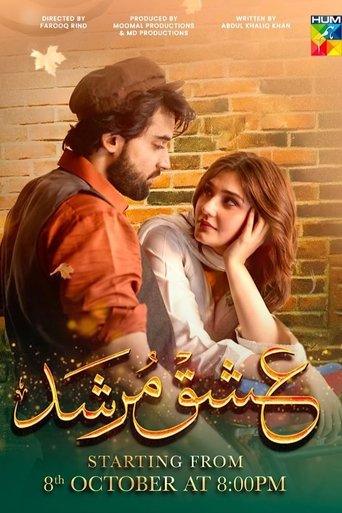
The rest of the shelf mixes friendship and love: Ehd e Wafa follows four school friends into adult life; Mann Mayal a love divided by class; Ranjha Ranjha Kardi a garbage picker named Noori and Bhola; Ishq Murshid a rich young man in disguise; and Chupke Chupke is a romantic comedy made for Ramadan 2021. Shehr-e-Zaat of 2012, with Mahira Khan, holds 9.2 from three votes.
ARY Digital
The ARY Digital shelf holds sixteen dramas from 2004 to 2025, with 53 votes; fourteen reach 7.0 or more. Its middle drama runs thirty-three episodes, the longest of the Pakistani shelves. Hania Aamir leads three dramas.
Kabhi Main Kabhi Tum of 2024, with Hania Aamir and Fahad Mustafa as two opposites who fall in love, leads with seven votes and 8.6. Meray Humsafar of 2021, about a timid bride and a harsh mother-in-law, holds 6.8 from six, and Kaisi Teri Khudgharzi of 2022, with Danish Taimoor, 7.4 from five. Pyarey Afzal of 2013, with Hamza Ali Abbasi, and Bulbulay of 2009, the sitcom of Momo, Nabeel, Khoobsurat and Mehmood Sahib, hold five votes each.
Meray Paas Tum Ho of 2019, with Humayun Saeed and Ayeza Khan, is the story of an ordinary couple who drift apart. Moorat of 2004, the oldest drama of the shelf, follows a transgender woman who escapes a strict family. Bay Dardi of 2018 is the story of Shafay, a man who learns he is HIV positive, at 10.0 from three votes, and Bandish of 2019 a family under the shadow of black magic, over two seasons.
Geo TV
The Geo TV shelf holds fourteen dramas from 2009 to 2026, from Har Pal Geo and Geo Entertainment, with 38 votes; ten reach 7.0 or more. Five come from 7th Sky Entertainment, and Sana Javed, Feroze Khan, Wahaj Ali and Sami Khan lead three dramas each.
Khaani of 2017 leads with six votes and 8.0: a young woman seeks justice after the son of a powerful politician kills her brother. Alif of 2019, with Hamza Ali Abbasi and Sajal Ali as a film director and an actress whose paths cross, holds 8.4 from five. Tere Bin of 2022, with Wahaj Ali and Yumna Zaidi, runs fifty-eight episodes, tied with Ainak Wala Jin as the longest Pakistani drama of the guide after Suno Chanda. Meri Zaat Zarra-e-Benishan of 2009, the oldest drama of the shelf, tells of a woman wrongly accused of adultery and of her daughter.
Ishq Jalebi of 2021, a family reunion with Qavi Khan, and Romeo Weds Heer of 2018, about two college sweethearts from different families, give the shelf its lighter side; Aik Aur Pakeezah of 2026 brings it into the present with a young woman facing cybercrime.
The long serial and the short drama
Putting the two menus side by side shows two very different ways of telling a story on television. The Indian serials on Desi Tashan run 94 episodes at the middle and 100.1 on average; forty-three of the ninety-five run a hundred episodes or more, and the longest, Baatein Kuch Ankahee Si of 2023, runs two hundred. The Pakistani dramas run thirty episodes at the middle; the longest, Suno Chanda, runs sixty.
By shelf, the Indian private channels run longest: Star at 136 episodes at the middle, Colors at 134, Sony and SAB at 119.5 and Zee at 94. Doordarshan, at 53.5, sits halfway between them and the Pakistani shelves, and the kids channels, at 35.5, are close to a Pakistani drama in length.
The genres differ too. Of the ninety-five Indian serials, sixty carry the drama tag, twenty-six comedy, twenty-three family, fourteen action and adventure and twelve mystery, and mythology and fantasy are everywhere, from Ramayan to Mahakaali. Of the fifty-nine Pakistani dramas, fifty-five carry the drama tag, seventeen family and thirteen comedy, with only a few touches of crime, adventure or fantasy.
The leader of every shelf
Each shelf opens with its most voted serial, and the ten leaders make a quick tour of the guide. On Doordarshan, Mahabharat with 42 votes. On the Star channels, Titlie with 88, the most voted serial of the site. On Zee TV, Pyaar Ka Pehla Adhyaya - Shiv Shakti with 57. On Sony and SAB, Office Office with eight. On Colors, 24: India with eight. On the kids channels, Little Bheem with sixteen. On PTV, Alpha Bravo Charlie with four. On Hum TV, Zindagi Gulzar Hai with sixteen. On ARY Digital, Kabhi Main Kabhi Tum with seven. On Geo TV, Khaani with six.
The averages tell a second story. The Doordarshan classics average 8.33, the highest of the Indian shelves, with all eighteen at 7.0 or more; Colors averages 7.98 and Sony and SAB 7.80, both resting on few votes; Star averages 5.54 on the most votes of any shelf, and Zee 5.33, the two shelves with the widest spread of opinion. On the Pakistani side PTV averages 9.15, ARY Digital 8.45, Hum TV 8.34 and Geo TV 7.31. A high average on a shelf with few votes says less than a solid one on a shelf with many.
Hindi, Urdu and English titles
All ninety-five Indian serials of the guide are in Hindi, and fifty-six of the fifty-nine Pakistani dramas are in Urdu; TMDB records the other three, Meray Dard Ko Jo Zuban Miley, Teen Bata Teen and Malkin, under English. Titles appear under the name TMDB gives them in English, which is sometimes a translation: Such is Life for Yeh Jo Hai Zindagi, Watch Your Tongue for Zabaan Sambhalke, The Discovery of India for Bharat Ek Khoj. The original title is always shown on the serial page, and both names work in the search box.
The makers
On the Indian side, one name stands out: Ekta Kapoor is credited as creator on seven serials of the guide, from Karma of 2004 and Kyaa Hoga Nimmo Kaa of 2006 to Pardes Mein Hai Mera Dil, Brahmarakshas, Witch, Dil Hi Toh Hai and Bepanah Pyaarr, and her Balaji Telefilms is the production house of six. Prateek Sharma created four, Pyaar Ka Pehla Adhyaya - Shiv Shakti, Ek Deewaana Tha, Bahu Begum and Sufiyana Pyaar Mera; Siddharth Kumar Tewary three, Mahakaali, Razia Sultan and Shiv Shakti - Tap Tyaag Tandav; and Gul Khan three, Yehh Jadu Hai Jinn Ka!, Namak Issk Ka and Ishk Par Zor Nahi.
The classics have their own masters. Ramanand Sagar created Ramayan and Vikram Aur Betaal; B.R. Chopra Mahabharat; Shyam Benegal The Discovery of India; Basu Chatterjee Byomkesh Bakshi; Shankar Nag Malgudi Days; Govind Nihalani Tamas; Jaspal Bhatti Flop Show; and Aatish Kapadia, a generation later, Khichdi and Sarabhai vs Sarabhai.
On the Pakistani side, the production houses follow the channels: Momina Duraid Productions made twelve of the eighteen Hum TV dramas, PTV Productions eight of the eleven PTV dramas, 7th Sky Entertainment five of the fourteen Geo dramas, and Big Bang Entertainment three of the ARY dramas.
Faces of the two menus
The Indian serials spread their stars thinly: among the first three cast names, every actor appears in two serials of the guide at most. Arjun Bijlani leads Pardes Mein Hai Mera Dil and Shiv Shakti; Harshad Chopda Bepannah and Humsafars; Jennifer Winget Bepannah and Kyaa Hoga Nimmo Kaa; Pankaj Kapur Office Office and Zabaan Sambhalke; Arun Govil Ramayan and Vikram Aur Betaal; Mukesh Khanna Mahabharat and Shaktimaan; Reema Lagoo Shrimaan Shrimati and Tu Tu Main Main.
The Pakistani dramas share a smaller circle of stars: Ahad Raza Mir and Sajal Ali lead four Hum TV dramas each, Hania Aamir three on ARY, and Sana Javed, Feroze Khan and Wahaj Ali three each on Geo. Fawad Khan, with Zindagi Gulzar Hai and Humsafar, and Mahira Khan, with Humsafar and Shehr-e-Zaat, are the best known faces of the early Hum TV years.
Epics and mythology
Indian television has told its great epics again and again, and Desi Tashan holds nine serials drawn from mythology and sacred stories. Ramayan of 1987 and Mahabharat of 1988 lead the Doordarshan shelf. Buddha of 2013 on Zee tells how the prince Siddhartha became the Buddha. On Colors, Mahakaali - Anth Hi Aarambh Hai of 2017 and Shiv Shakti - Tap Tyaag Tandav of 2023 tell of Parvati and Shiva. Karn Sangini of 2018 on Star retells the Mahabharata through Karna's wife Uruvi, and Yashomati Maiyaa Ke Nandlala of 2022 on Sony the coming of Krishna. Little Krishna of 2009 brings the young god to children, and Vikram Aur Betaal of 1985 the old folk riddles of King Vikram and the spirit Betaal.
The Pakistani shelves turn to faith in another way: Alif Allah Aur Insaan of 2017 and Alif of 2019 both follow characters in search of meaning and belief.
History on screen
History is the second great subject of the classic serials. The Discovery of India of 1988 dramatises five thousand years of Indian history from Nehru's book. Chanakya of 1991 follows the strategist of the fourth century BCE. Tamas of 1988, in six episodes, is set during the riots on the eve of Partition. Razia Sultan of 2015 tells of the woman who ruled Delhi, Prithvi Vallabh of 2018 of two warring states, and Tenali Rama of 2024 of the poet of the Vijayanagara court. On the Pakistani side, Alpha Bravo Charlie and Dhuwan of the 1990s tell more recent stories of soldiers and police commandos.
Detectives, agents and thrillers
Byomkesh Bakshi of 1993 is the classic detective of the guide: Rajit Kapoor solves the mysteries of Kolkata with his mind alone. Agent Raghav of 2015 follows a detective who reads people's minds; 24: India of 2013 races a clock through a single day in Mumbai; Powder of 2010 follows narcotics officers after a drug lord; Kaal Bhairav Rahasya of 2017 is a mystery thriller shot in Bhopal. From Pakistan, Khaani and Aik Aur Pakeezah bring crime into family dramas.
Ghosts, witches and djinns
The supernatural is a favourite of the private Indian channels. Witch of 2018 and Brahmarakshas of 2016, both from Ekta Kapoor, are horror serials; Darr Sabko Lagta Hai of 2015 is an anthology of ghosts and phantoms; Tantra of 2018 follows a family trapped by incantations in their new home; Vikraal Aur Gabraal of 2003 follows a ghost hunter. Yehh Jadu Hai Jinn Ka! of 2019 and Shararat of 2003 use magic for romance and comedy. On ARY, Bandish of 2019 follows a family under black magic.
Sitcoms on both sides of the border
Both menus share a love of the sitcom. From Doordarshan come Yeh Jo Hai Zindagi, Flop Show, Wagle Ki Duniya, Dekh Bhai Dekh, Zabaan Sambhalke, Shrimaan Shrimati and Tu Tu Main Main; from Star, Khichdi, Sarabhai vs Sarabhai and Karishma Kaa Karishma; from SAB, Office Office. From Pakistan come Alif Noon, the oldest serial on the site, Teen Bata Teen, Family Front and Bulbulay. Watching Sarabhai vs Sarabhai next to Bulbulay, or Dekh Bhai Dekh next to Teen Bata Teen, is one of the pleasures this guide was built for.
Love stories
Love is the engine of most serials on both menus. On the Indian side, Pardes Mein Hai Mera Dil of 2016 sends Raghav and Naina abroad; Bepannah of 2018 brings together two people each devoted to a spouse; Bahu Begum of 2019 sets Azaan between Shayra and Noor; Sufiyana Pyaar Mera of 2019 follows Zaroon, who is rejected on his wedding day; Humsafars of 2014 and Ishk Par Zor Nahi of 2021 bring together people with opposite ideas of love and marriage. On the Pakistani side, Humsafar and Zindagi Gulzar Hai, Mann Mayal and Kabhi Main Kabhi Tum tell the same old story in shorter form, in twenty-three to thirty-four episodes.
Families, sisters and in-laws
The family drama is the other great subject. Baatein Kuch Ankahee Si of 2023, the longest serial of the guide at two hundred episodes, follows three sisters and the eldest who becomes the family's breadwinner. Chashni of 2023 follows two sisters, Chandni and Roshni, separated by an incident and brought face to face years later. Kumkum - Ek Pyara Bandhan of 2002 follows a young widow and her husband's family. Lag Ja Gale of 2023 begins with a marriage made to ease the way for two siblings. From Pakistan, Meray Humsafar follows a bride and her harsh mother-in-law, and Meray Paas Tum Ho a couple who drift apart.
Superheroes and fantasy
Shaktimaan of 1997 is the superhero serial of the Doordarshan shelf, with Mukesh Khanna in the title role over 169 episodes. Karma of 2004 followed on Star Plus with a weekly superhero of its own, and Hatim of 2003 mixed fantasy and adventure over forty-eight episodes. For children, Mighty Raju of 2015 gives a four-year-old superhuman strength, and Ainak Wala Jin of 1993 brought a genie to Pakistani screens.
The decades side by side
Laid out by decade, the two menus move in step. Indian TV on Desi Tashan has ten serials from the 1980s, eight from the 1990s, twelve from the 2000s, forty-three from the 2010s and twenty-two from the 2020s. Pakistan TV has one drama from the 1960s, three from the 1980s, six from the 1990s, three from the 2000s, twenty-seven from the 2010s and nineteen from the 2020s. On both sides the public broadcaster owns the early years and the private channels the later ones: every Indian serial before 1998 comes from Doordarshan, and every Pakistani drama before 2004 from PTV.
Finished and running
The old site let you switch each channel list between finished and running serials. TMDB keeps a similar label: of the 154 serials, 117 are marked ended, 35 returning series and two cancelled. On the Indian side 67 of 95 are marked ended, on the Pakistani side 50 of 59. The label returning series often stays on a serial after its last episode, so the episode list on each page, with its air dates, is the better guide to whether a story is complete.
Heroines with a goal
Many of the newer Indian serials put a determined young woman at the centre. Rajjo of 2022 follows an athletically gifted girl separated from her mother; Iss Mod Se Jaate Hain of 2021 a young woman who dreams of becoming an IAS officer; Aankh Micholi of 2024 an undercover police officer, Rukmini, who marries into a traditional family as the ideal daughter-in-law; Shaurya Aur Anokhi Ki Kahani of 2020 a hard-working woman who meets a man convinced that every girl belongs in the kitchen; Kaleerein of 2018 a free spirit who wants to be accepted as she is. On the Pakistani side, Khaani seeks justice for her brother and the young woman of Aik Aur Pakeezah faces cybercrime.
Books, remakes and versions
A good number of serials come from somewhere else. Malgudi Days brings R. K. Narayan's stories to the screen, Tamas Bhisham Sahni's novel, The Discovery of India Nehru's book, and Karn Sangini the book Karna's Wife: The Outcast's Queen. Karishma Kaa Karishma is a remake of the American sitcom Small Wonder, 24: India an Indian version of 24, and Badalte Rishton Ki Dastaan a Hindi version of a Zee Bangla serial. From Pakistan, Parizaad comes from Hashim Nadeem's novel.
A month across the border
One way into Desi Tashan is a month that crosses the border every week. In the first week, take the classics: Malgudi Days from Doordarshan and Alpha Bravo Charlie from PTV. In the second week, the sitcoms: Sarabhai vs Sarabhai or Office Office from India, Bulbulay from Pakistan. In the third week, the love stories: Pardes Mein Hai Mera Dil or Bepannah from India, Zindagi Gulzar Hai or Humsafar from Pakistan. In the fourth week, the thrillers: Byomkesh Bakshi or 24: India, then Khaani.
Choosing for the company
For children, the kids shelf is the place to start: Little Bheem, Little Krishna, Best of Luck Nikki, Honey Bunny Ka Jholmaal, then Vikram Aur Betaal, Shaktimaan and Ainak Wala Jin from the classics. For the whole family, the sitcoms of both menus, Dekh Bhai Dekh, Shrimaan Shrimati, Office Office, Khichdi, Teen Bata Teen and Bulbulay, are safe and funny.
For an evening across generations, Ramayan, Mahabharat and Chanakya are the great classics. For a couple, Humsafar, Zindagi Gulzar Hai, Kabhi Main Kabhi Tum or Pyaar Ka Pehla Adhyaya - Shiv Shakti. For a viewer who likes history, The Discovery of India and Tamas. Some serials, such as Titlie, deal with abuse in marriage, and the synopsis on each page tells you what a story is about before you begin.
How to watch a long serial
A serial of 150 episodes can look like a mountain. The episode list on each page helps: it shows every episode TMDB records, with its air date, so you can see where a story turns and how far you have come. A good way in is to watch the first week of episodes and decide from there. The Pakistani dramas, at about thirty episodes, can be watched in two or three weeks of evenings.
How to read the board
The board on the home page, Show Serials by channel, shows the ten channel shelves as grey channel headers, in the style of the old site's channel lists. Each header carries a coloured badge, green for Indian TV, blue for Pakistan TV and purple for Kids, then the channel name and the number of serials. Press a header to open the shelf; a header turns orange under the pointer, as the old list boxes did. Under the board, every shelf follows as a row of bordered posters with the channel and the year on each.
What a serial page shows
Each serial page opens with the poster, the English title and the original title where TMDB records it, followed by the year, the genres and the number of dated episodes. The synopsis comes next, then the Watch now button and My list. Lower down, a table gives the original title, the first air date, the original language, the country, the number of seasons, the production house, the TMDB rating with its votes, other known titles and the status. The episode list closes the page, season by season.
Searching Desi Tashan
The search box takes a title, an alternative title or a cast name. Type Pankaj Kapur, Arun Govil or Sajal Ali to find their serials on either menu. Old Hindi titles work too: Bharat Ek Khoj finds The Discovery of India, Yeh Jo Hai Zindagi finds Such is Life and Zabaan Sambhalke finds Watch Your Tongue; Chhota Bheem finds Little Bheem. You can add an episode to a title, such as Malgudi Days season 2 episode 3. The A–Z page lists all 154 serials.
Watch now on Desi Tashan
Each serial page has a Watch now button. It opens the serial on JustWatch for the country you choose, where you see the services that stream, rent or sell it legally. Availability changes from country to country, so the button always leads to the current list.
My list on Desi Tashan
Press My list on a serial page to save it for later. The list is kept in your own browser, on the device you use, and stays private to you. A good use of it: save one serial from each channel, five from India and five from Pakistan.
Desi Tashan on a phone
On a small screen the menu folds behind the grey button at the top and the board of channels folds into two columns.
Where the data comes from
Titles, synopses, cast, ratings, votes, episodes, networks and production houses come from TMDB, as of October 2026; availability comes from JustWatch. The look of the site, a white header, a light grey title bar, slab-serif headings, coloured badges and a dark footer, follows the Desi Tashan capture of 9 January 2014 in the Wayback Machine.
Short guides on Desi Tashan
Every part of the guide has a short help page. Begin with Start with Desi Tashan, then read The two menus. The menus have their own guides: Indian TV, Pakistan TV and Doordarshan. The numbers are in The figures, a ready plan in A month across the border, and the design in The look of Desi Tashan.
For practical help there are Search tips, Watch now, My list, On your phone and Where the data comes from.
Frequently asked questions
For a first visit to Desi Tashan, take one serial from each side of the old menu: Malgudi Days from Doordarshan and Zindagi Gulzar Hai from Hum TV. Two classics, two countries and two ways of telling a story make a first map of South Asian television.
Questions
What is Desi Tashan?
Desi Tashan is an English guide to 154 Indian and Pakistani TV serials, shelved by channel.
Which channels have a shelf?
Doordarshan, Star, Zee TV, Sony and SAB, Colors and the kids channels for India; PTV, Hum TV, ARY Digital and Geo TV for Pakistan.
How is a serial placed on a shelf?
It goes to the first channel, in a fixed order, that TMDB lists among its networks.
Which is the most voted serial?
Titlie of 2023, a Star Plus serial with 88 votes and a rating of 7.8.
Which shelf is best rated?
The Doordarshan classics, with an average of 8.33 and all eighteen serials at 7.0 or more.
How long are the serials?
The Indian serials run 94 episodes at the middle, the Pakistani dramas 30.
Which is the oldest serial?
Alif Noon of 1965, on the PTV shelf.
Why are some ratings 10.0?
Some serials rest on a single vote on TMDB; read the votes next to each rating.
Where can I watch these serials?
Press Watch now on a serial page to open JustWatch and see the official services in your country.
Where is My list kept?
In your browser, on the device you use.
